Where Guru Nanak and Bhai Mardana sat, the rabāb made the Word resound

The rabāb's echo
still shapes
Sikh sacred music today

One note at a time

Discover the Journey
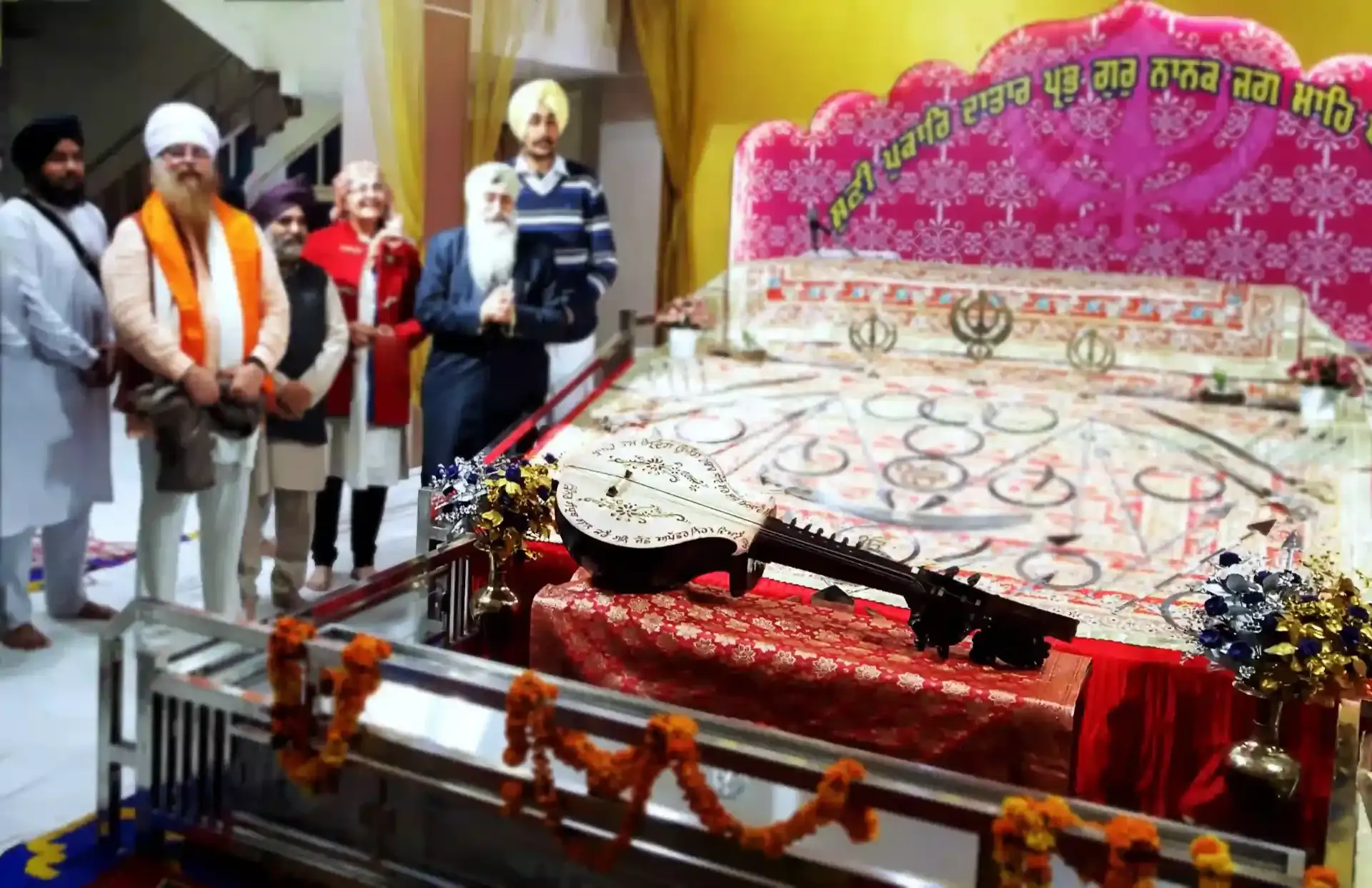
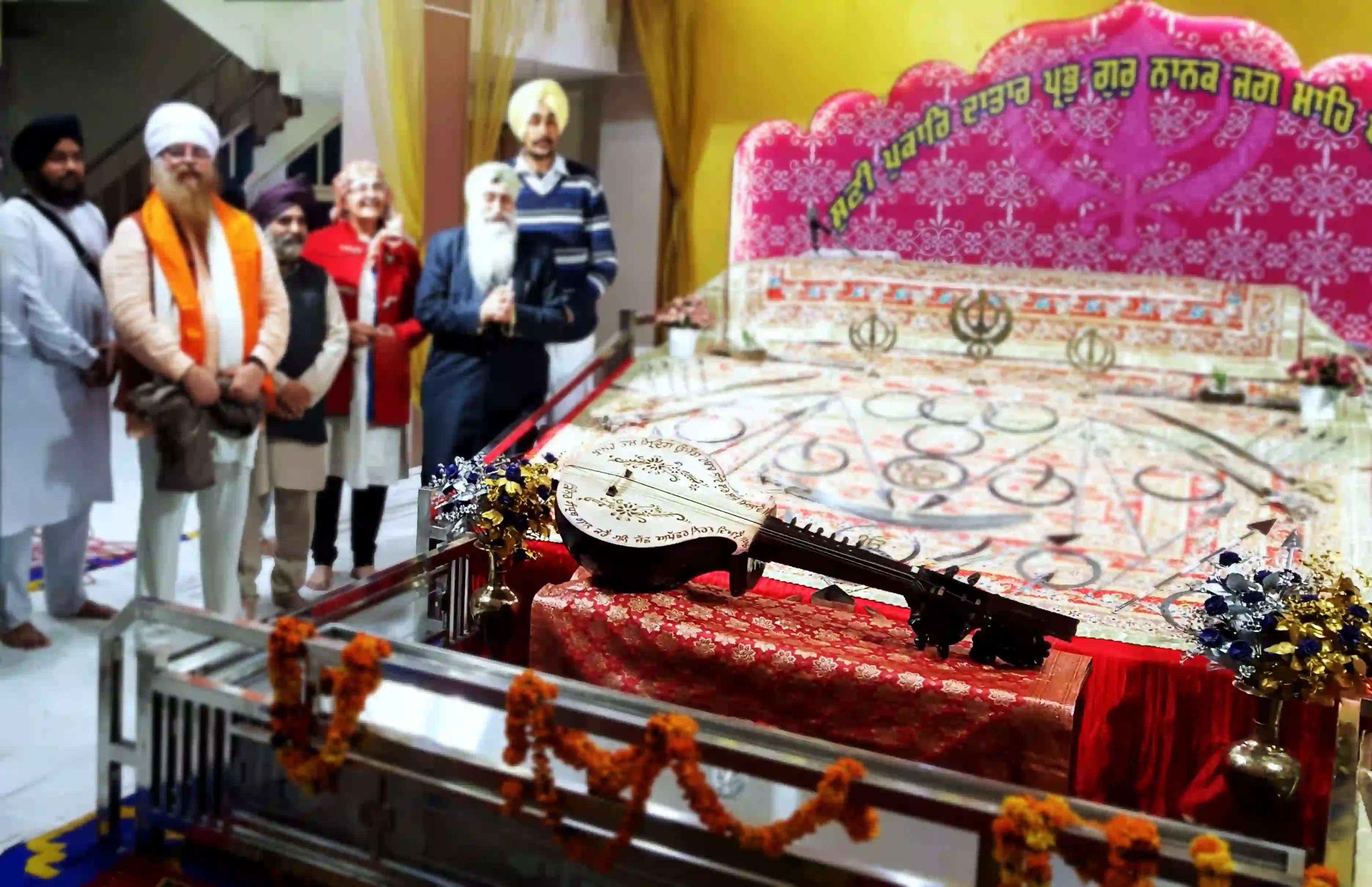
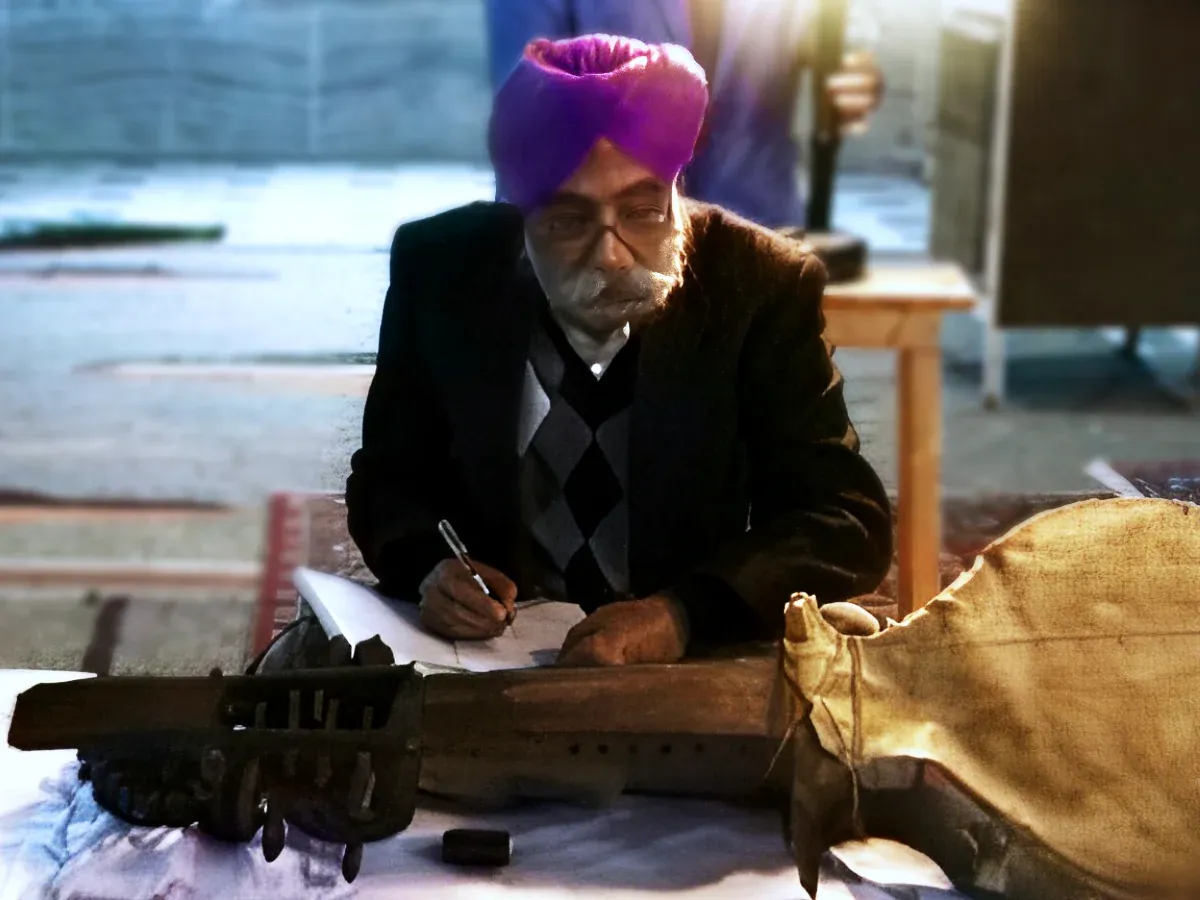
Historic Rabab at Harmandir Sahib

The Rabab in the Sikh Tradition

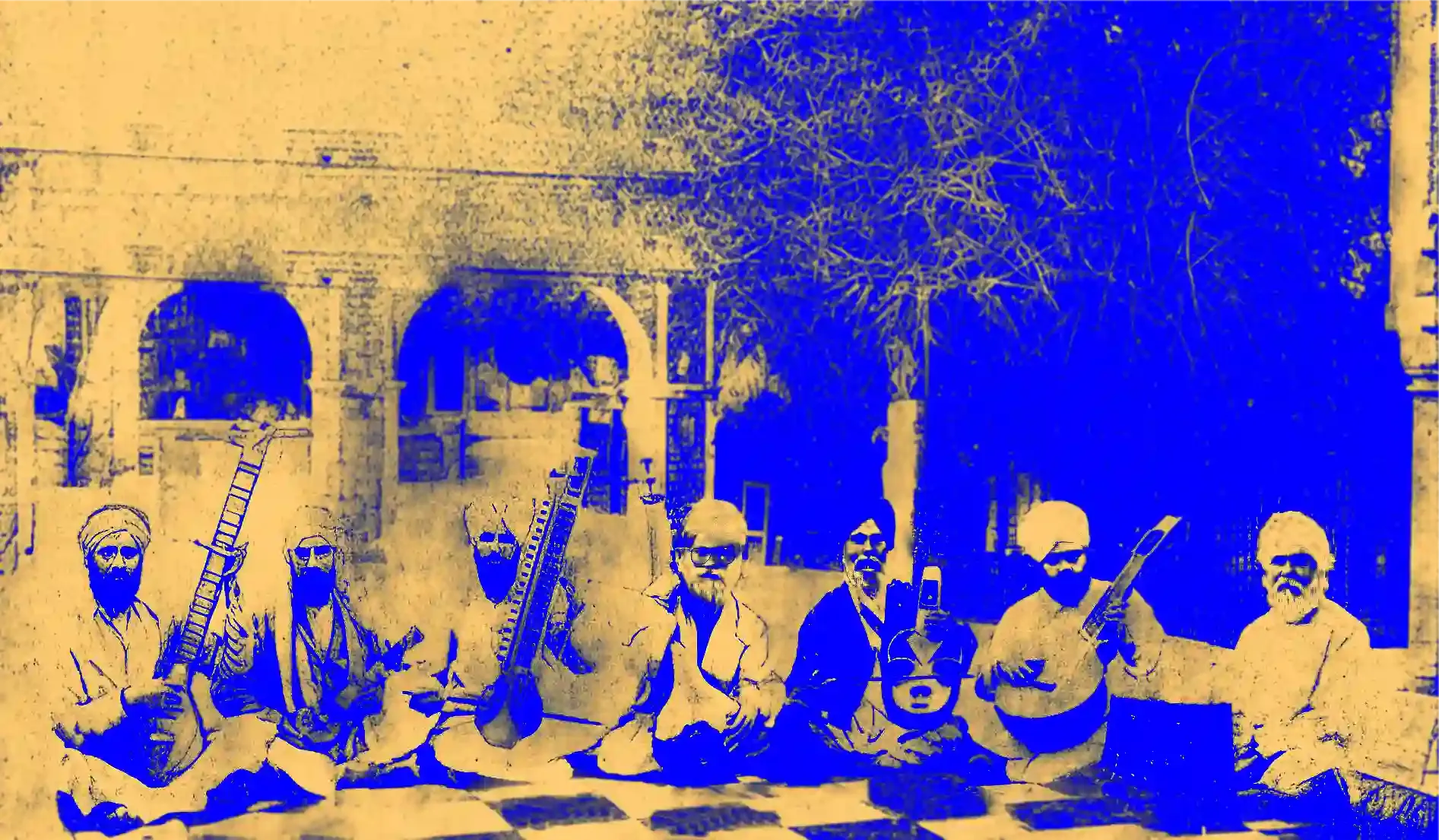
When Guru Nanak uttered the Word and Bhai Mardana played the rabāb, people gathered around them like bees to the honey. Drawn by sweet sound and spirit, they sat together on the quiet edges of city, town, and village, listening until their hearts grew still. In those moments, music became meditation, and Sikhism began.

" From Guru, disciple, and rabāb flowed a music that gathered souls into silence. "
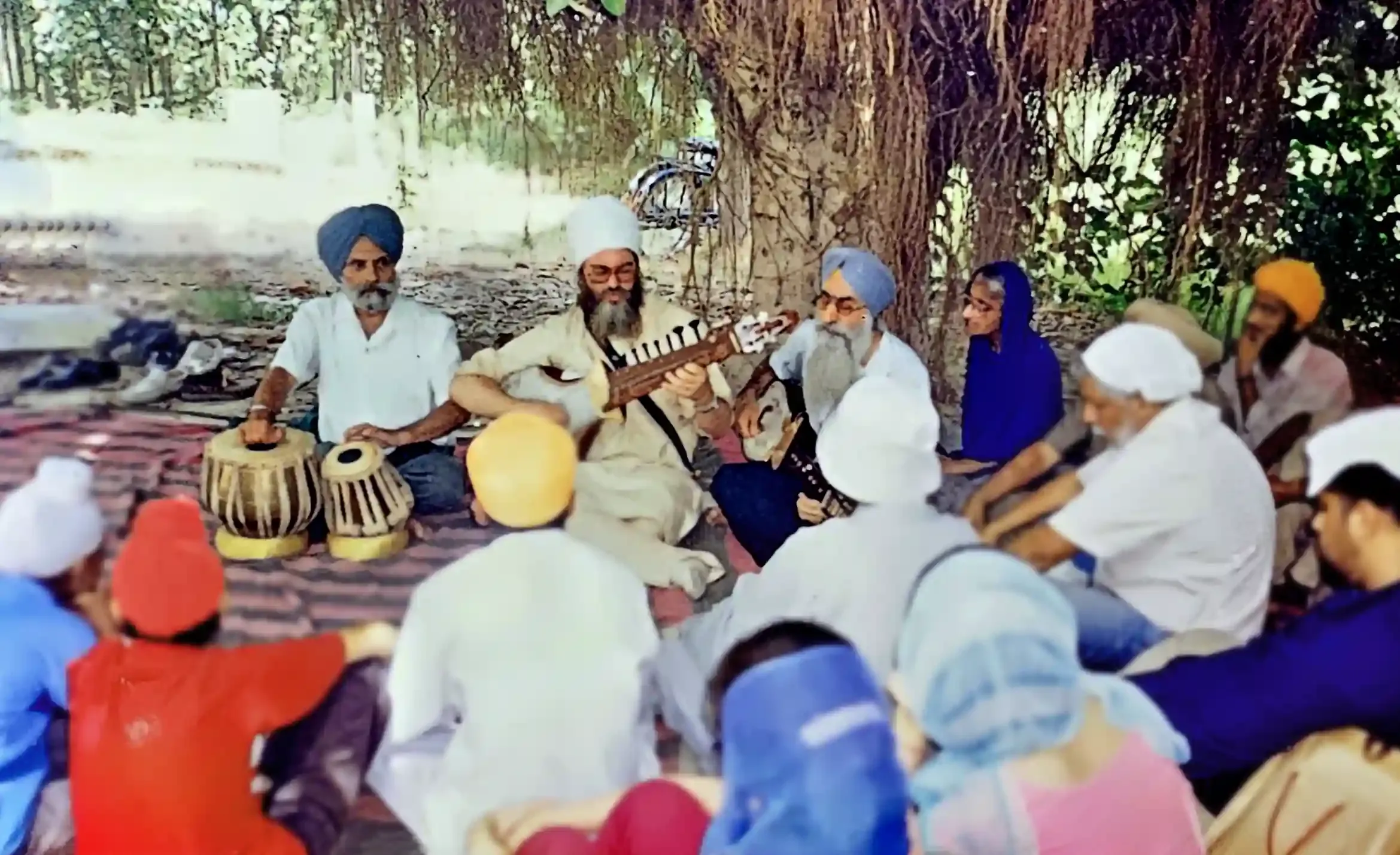
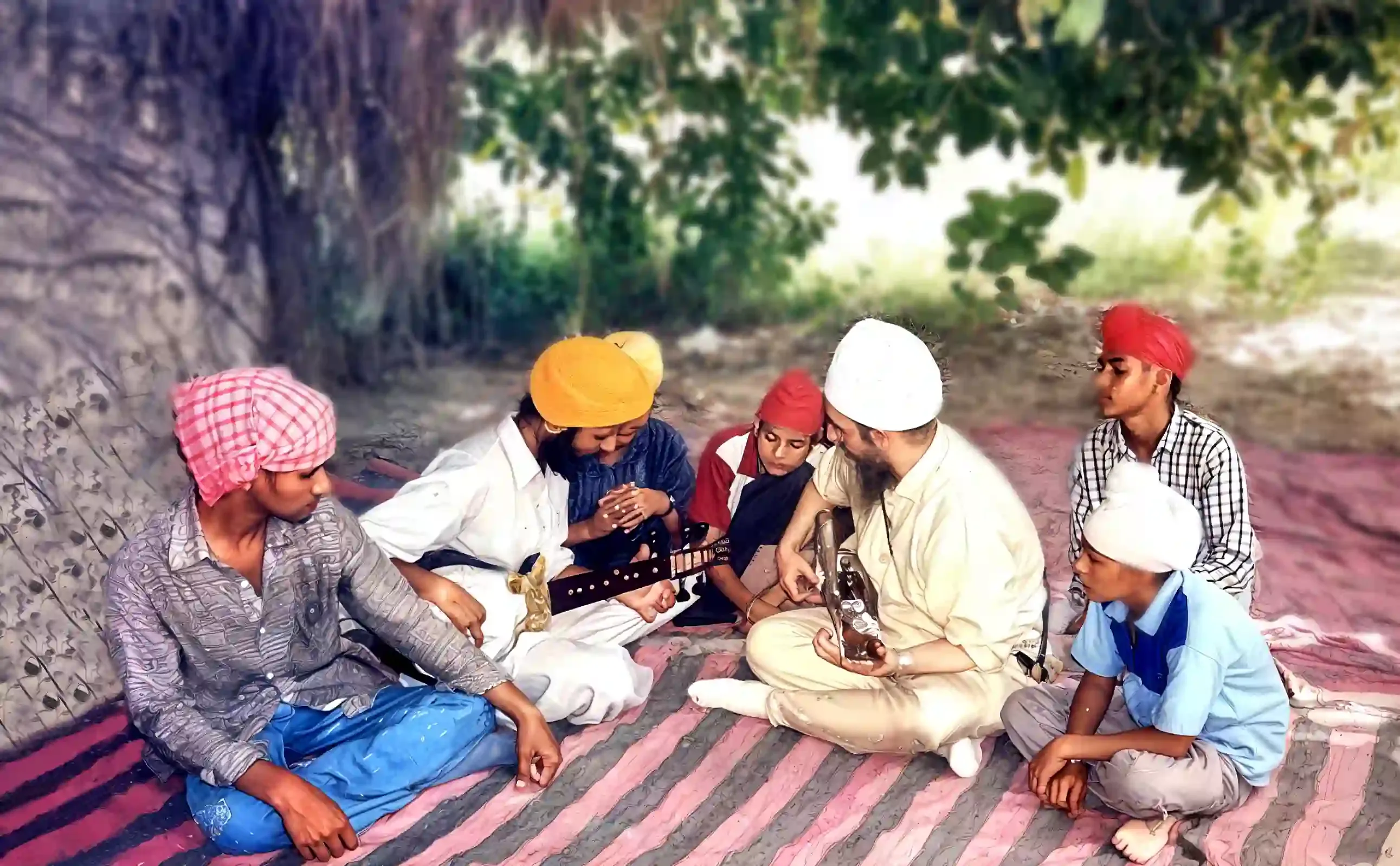
Sacred gathering under tree

A rabab class with village youngsters in Punjab.

About the Rabab Foundation

Safeguarding and sharing Gurmat Sangeet through education, research, and performance

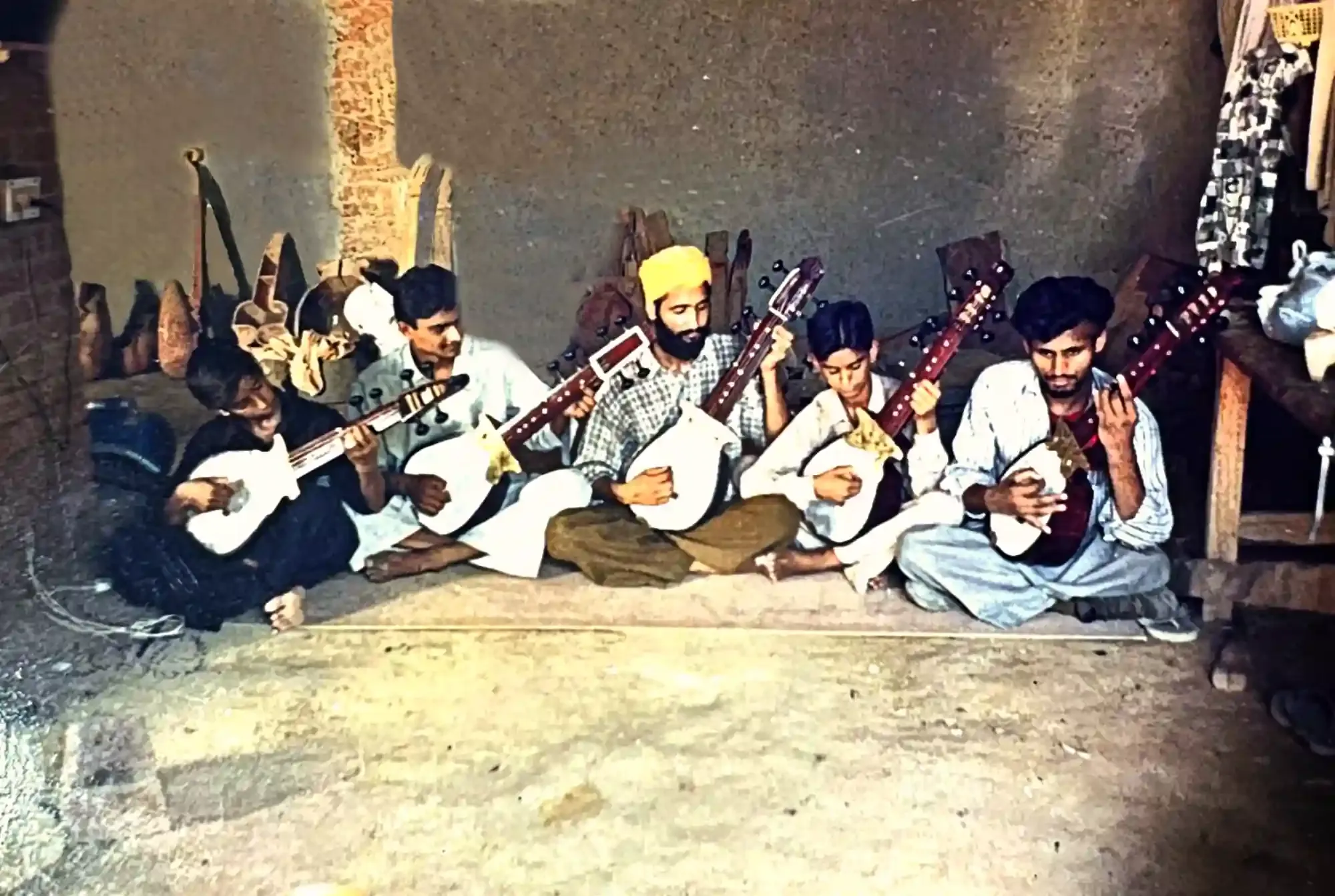
Our work did not begin in 2025. It grows from more than two decades of fieldwork, writing, instrument craftwork, teaching, and exhibitions dedicated to bringing Sikh sacred poetry back to its raga‑and‑tala sound‑world.

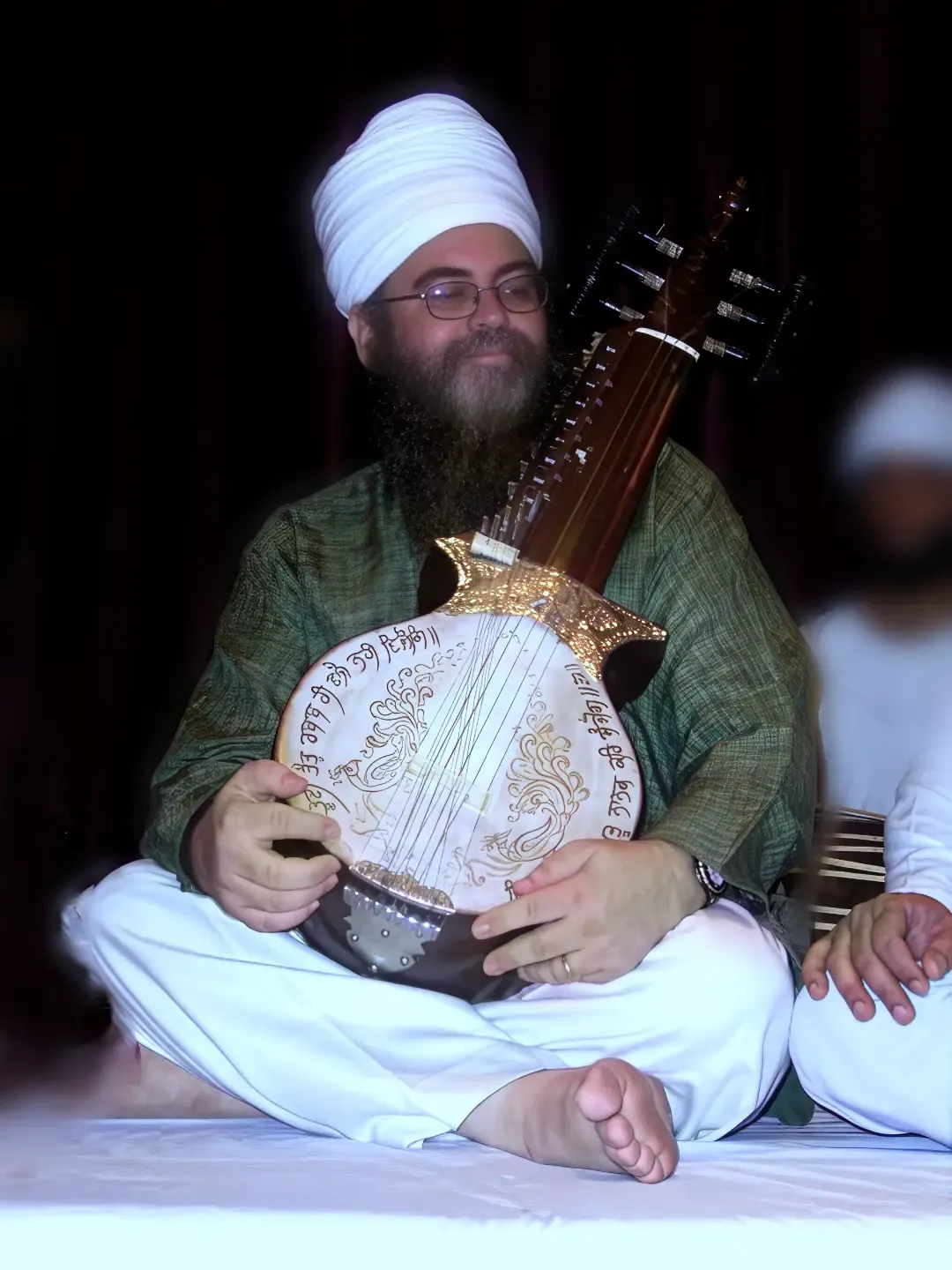
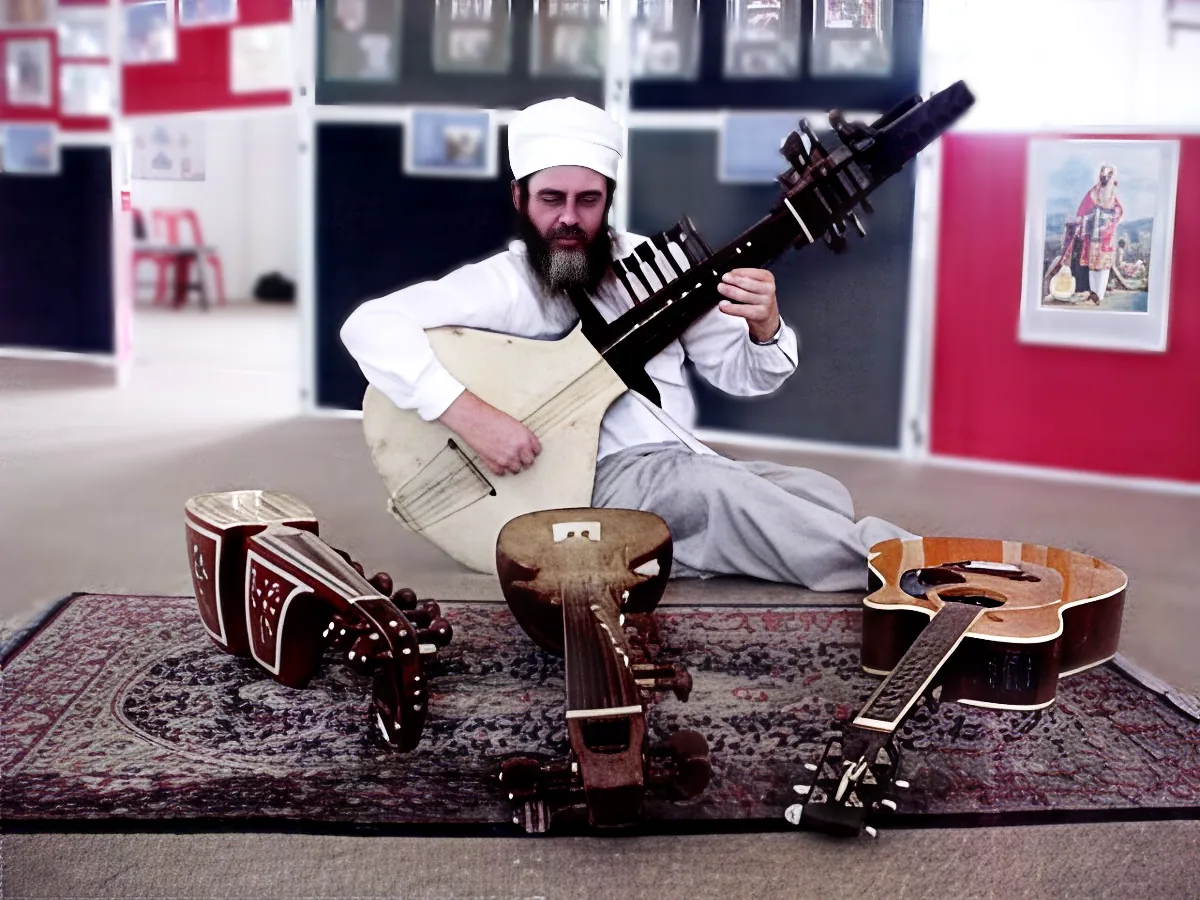
This movement was initiated and sustained by Dr Chris Mooney Singh and Savinder Kaur, who led the Rabab Revival Project and later established the Rabab Foundation – Research & Education Foundation. Their practical focus—making playable instruments, notably the rabab, teaching beginners, and documenting the journey—shaped the programme you see today.

Founder's Note

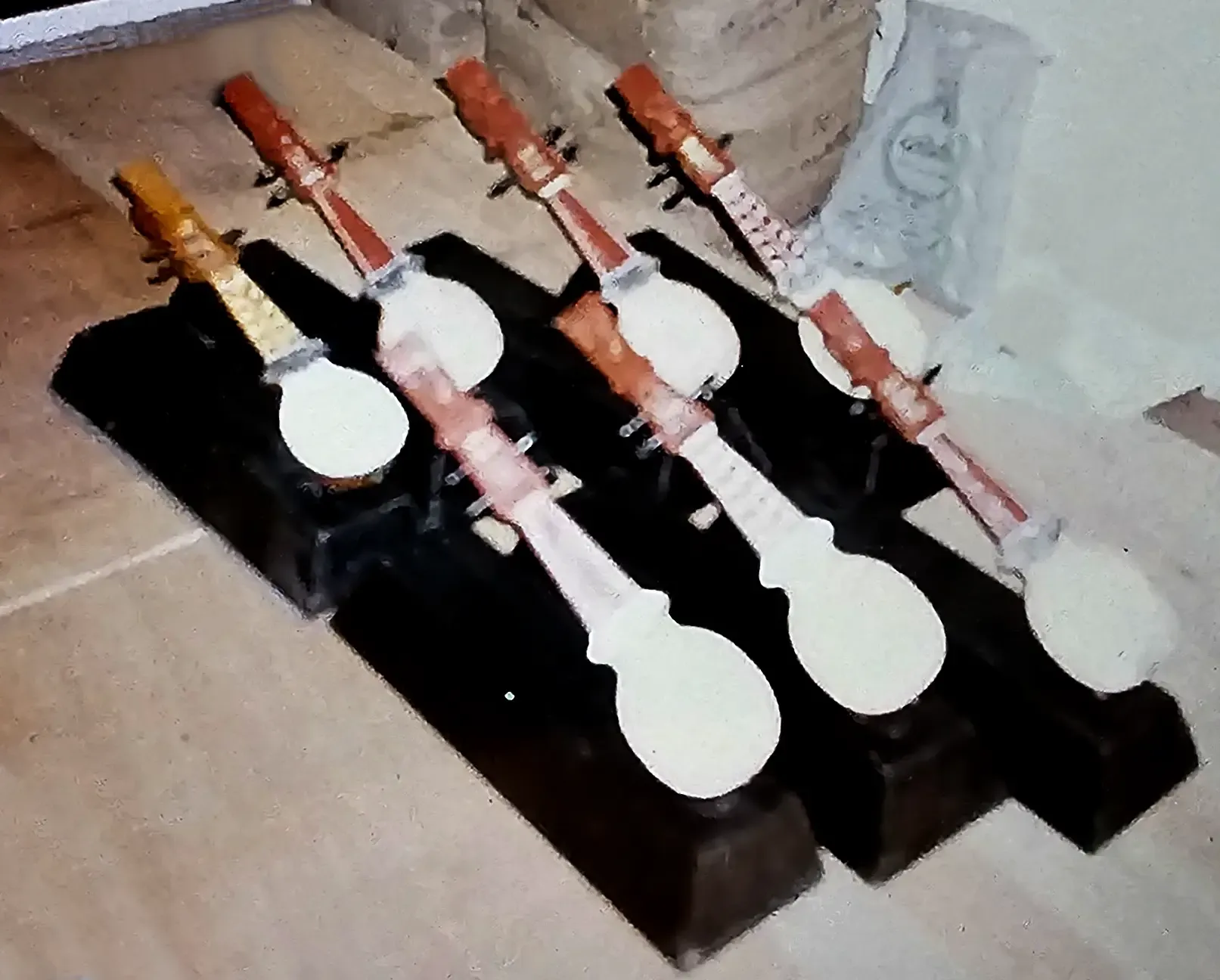
Begun in the late 1990s as a hands‑on effort to re‑hear Sikh sacred poetry in instrumentally-articulated raga and tala, our early work stayed modest and practical—making student rababs, learning with ustads, and inviting beginners to learn the rabab. Two decades on, we are renewing that early mission with care: organising what we learned, widening access, and keeping the welcome warm.

— Dr Chris Mooney-Singh & Savinder Kaur MSc, founders

Heritage

How the rabāb carried the Word into sound

"Where Guru and disciple sat together, the rabāb made the Word resound."

Sikh sacred music begins as companionship—Guru Nānak (1469–1539) voicing Gurbānī (ਗੁਰਬਾਣੀ), Bhai Mardānā (ਭਾਈ ਮਰਦਾਨਾ) plucking rabāb (ਰਬਾਬ) so that Word finds sound. From those beginnings grew two traditions that still shape Sikh sacred music: the Rabābī bards and the Rāgī ensembles. This page traces that arc and the late‑20th‑century revival inspired by the Rabab Research & Education Foundation alongside other dedicated revival pathfinders.

15th–16th Century · Origins: Guru, disciple, instrument

c. 1500s Guru Nānak & Bhai Mardānā

Guru Nānak travelled and taught; Bhai Mardānā accompanied him on rabāb, a skin‑stretched, plucked lute with deep roots in the Middle East.

  • Companionship practice: voice (shabad) + rabāb (tone/pulse)
  • Listening as sangat: roadside, riverside, beneath trees
  • Instrument present in scripture (Ang 934)
ShabadRabābSangat

ਤੂਟੀ ਤੰਤੁ ਰਬਾਬ ਕੀ ਵਾਜੈ ਨਹੀ ਵਿਜੋਗਿ ॥ ਵਿਛੁੜਿਆ ਮੇਲੈ ਪ੍ਰਭੂ ਨਾਨਕ ਕਰਸਨੁ ਜੋਗੁ ॥੫॥

When the rabāb’s string is broken, the instrument will not sound; O Nānak, the Separated is united by the One who grants union. (SGGS, Ang 934)
A lineage memory holds that Bebe Nānaki commissioned the first rabāb from Bhāī Firandā for Mardānā.

Read more

Late 16th–early 17th Century · Two lanes under Guru Arjan

c. 1600 Guru Arjan Dev · Ādi Granth

With Guru Arjan Dev (1563–1606)—builder of Harimandar Sāhib and compiler of the Ādi Granth—kīrtan becomes daily discipline in timed chaukīs at Amritsar.

  • Ādi Granth (1604) anchors rāga/tāla practice
  • Two lanes: hereditary Rabābī bards and Sikh Rāgī ensembles
  • Encouragement of tanti‑sāj (string) instrumentation
Ādi GranthChaukīTanti‑sāj

Rabābī bards (often Muslim, “Bābe ke”) and Sikh Rāgī ensembles both sing in tanti‑sāj style aligned to rāga and tāla.

Read more

18th–19th Centuries · Upheaval, rebuilding, patronage

1700s–1800s Rupture → Rebuild → Patronage

Eighteenth‑century rupture and resilience; the Saṅgat rebuilds, and kīrtan returns. In the 1800s, princely patronage sustains shrine musicians.

  • 1762 destruction; rebuilding by 1764–1784
  • Daily kīrtan restored; discipline via Akal Takht and Sarbat Khālsā
  • Princely courts (e.g., Ranjit Singh) support Rabābīs & Rāgīs
Akal TakhtSarbat KhālsāCourt Patronage

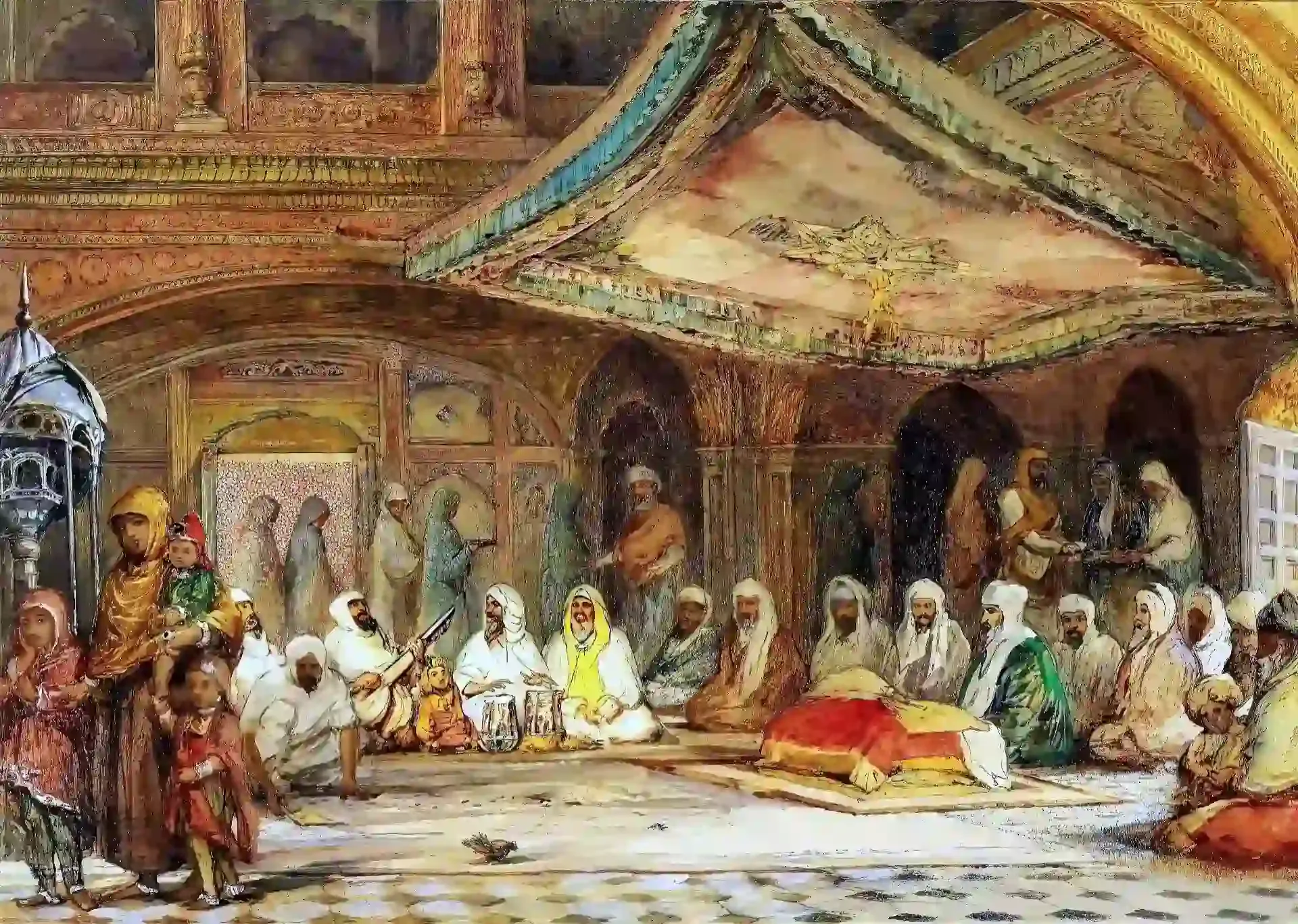
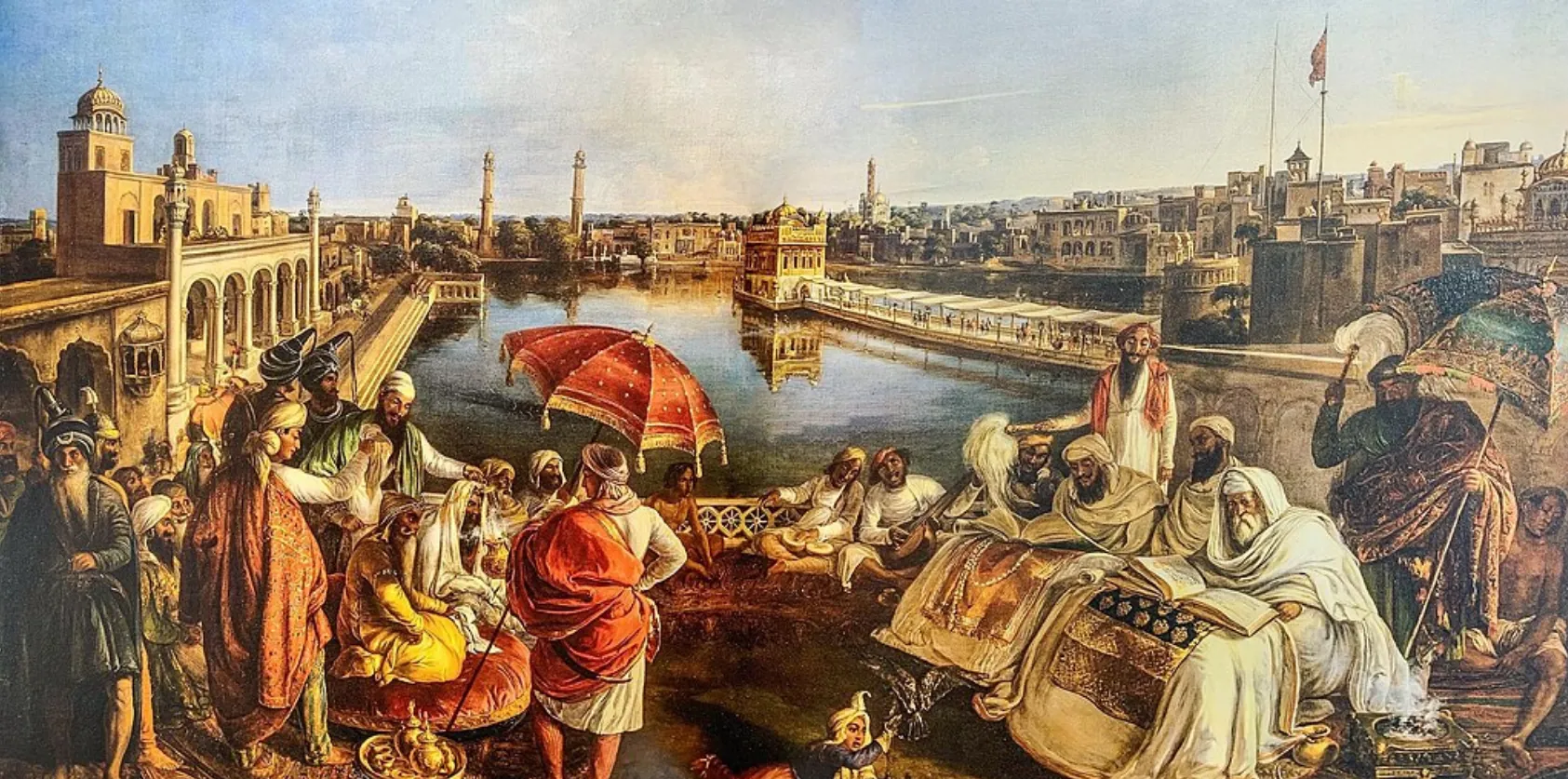
Period art (1850s) depicts rabāb‑led kīrtan inside the sanctum—visual corroboration of tanti‑sāj practice.

Read more

20th–21st Centuries · Reform, Partition, revival

1900s–2000s Reform, Partition & Revival
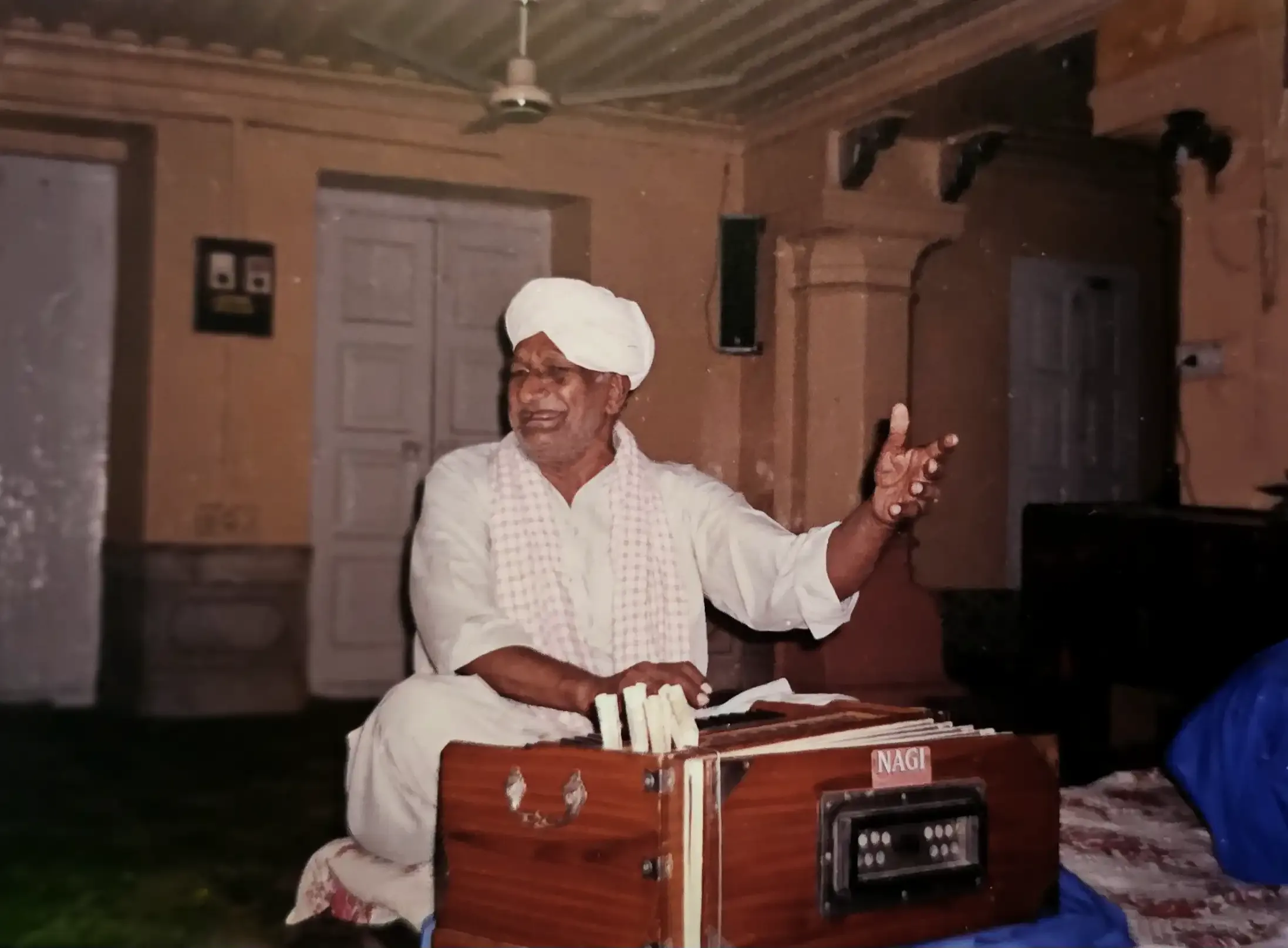
  • Reform & Partition: Management re‑organised; Rabābī lines fracture; harmonium dominates congregational sound.
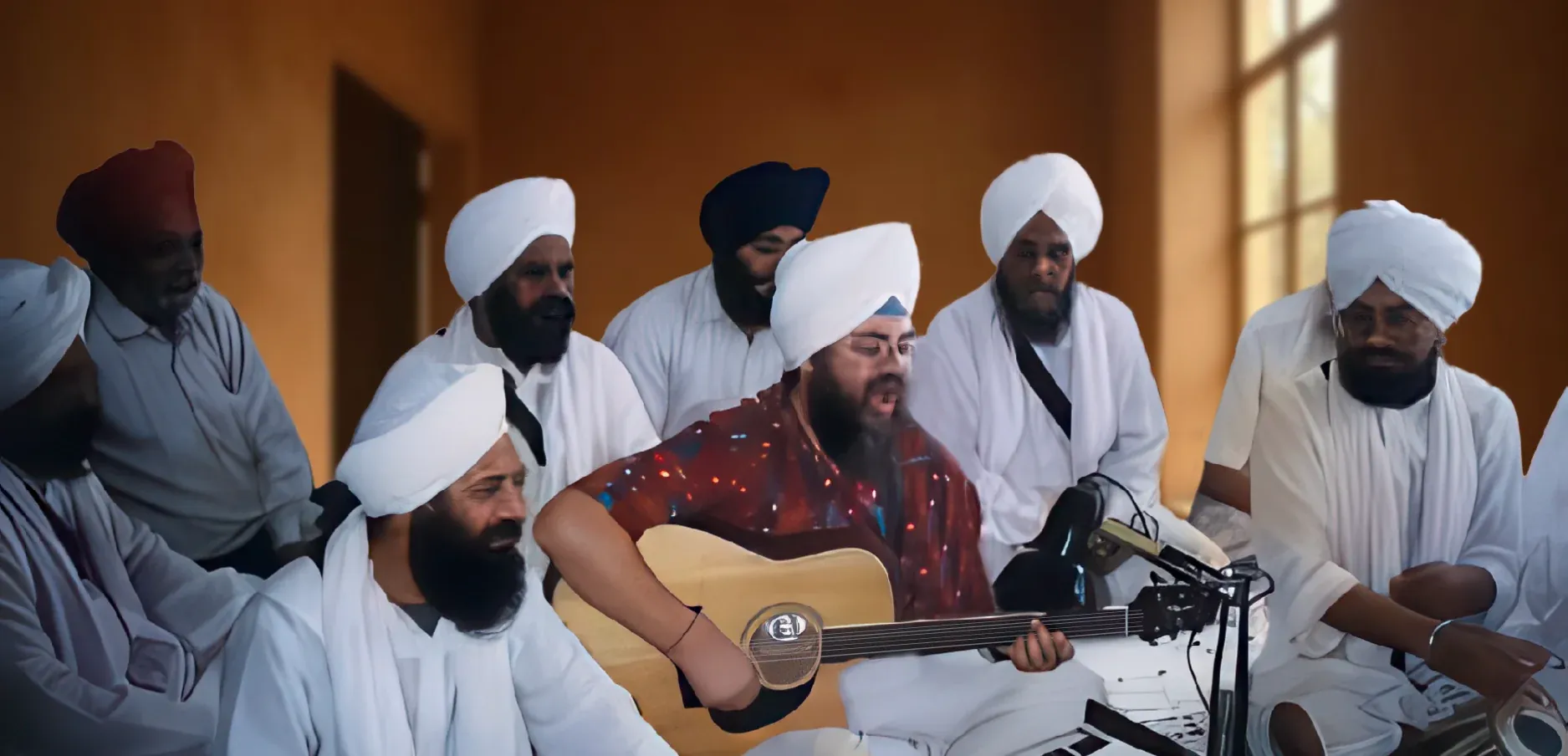
  • Two milestones: 1979 — non‑Indian kīrtan in the sanctum; 1999 — rabāb heard again at Harmandir after ~a century.
Harmonium CenturyString RevivalScholarship
Read more

Programme

The R.A.B.A.B. Way

A 52-week journey through sound and self

The rabāb has always been more than an instrument — it is a way of attunement.

The R.A.B.A.B. Way offers a guided year of practice that moves step by step through life's natural cycle: Resonance, Aspiration, Bonding, Achievement, Bliss.

Rooted in the 31 primary rāgas of the Sri Guru Granth Sahib — with their variants bringing the total to 52 distinct forms, mirroring the 52 weeks of the year — and informed by universal principles of human growth, this programme brings together sound, reflection, and self-practice.

ਰਾਗ ਰਤਨ ਪਰਵਾਰ ਪਰੀਆ ਸਬਦ ਗਾਵਣ ਆਈਆ ॥

rāg ratan parvār parīā shabad gāvaṇ āīā.

The jewels of rāga gather as a family to sing the Song of the Word.

(Sri Guru Granth Sahib, Ang 885)

How it Works

Teacher's Workbook

A weekly guide with stories, reflections, and practices

Student Journal

Daily prompts for personal reflection

Audio Companion

Selected rāga recordings available to participants

Online Course and Community

Self-paced

With check-ins for personal guidance

Cohort-based

With live seminars and group learning

Why Join?

  • Experience the power of rāga beyond performance — as a path of daily living
  • Learn how sound and reflection nurture clarity, resilience, and joy
  • Take part in a unique curriculum that honours tradition while opening to all seekers
Learn More About The R.A.B.A.B. Way

Latest from Our Blog

Stories, insights, and updates from the world of Sikh musical heritage

Blog Post
March 2024

The Sacred Strings: Understanding Rabab's Role in Gurbani

Explore the deep spiritual connection between the rabab and Sikh devotional music...

Read More
Blog Post
February 2024

Master Rababis: Preserving Ancient Traditions

Meet the dedicated musicians who keep the rabab tradition alive across generations...

Read More
Blog Post
January 2024

Modern Adaptations: Rabab in Contemporary Worship

How traditional rabab music adapts to modern gurdwara practices while maintaining authenticity...

Read More

Connect With Us

Get In Touch

Join our mission to preserve and celebrate Sikh musical heritage

Ready to learn more about our programmes or participate in preserving this sacred musical tradition?

Email: info@rababfoundation.org

Join Us in Preserving History

Together, we can keep the rich traditions of Sikh music alive for generations to come.